Welcome to follow our social media account to get Zinwi News!

About

Leading e-liquid solution provider
Products and Services

Customization, Diversification and Globalization
Research and Development

Technological Innovation
News

Zinwi will provide you with first-hand information
/ En
 Zinwi
> News
>Zinwi News
> Zinwi Bio Highlights Compliance and Innovation at Inaugural World Nicotine Congress in Brussels
Zinwi
> News
>Zinwi News
> Zinwi Bio Highlights Compliance and Innovation at Inaugural World Nicotine Congress in Brussels
Zinwi Bio Highlights Compliance and Innovation at Inaugural World Nicotine Congress in Brussels
2026.03.26
|
Zinwi News
BRUSSELS (CET), Belgium, March 23–25, 2026 — Zinwi Bio highlighted its compliance-led approach and technology development at the inaugural World Nicotine Congress (WNC) in Brussels, where regulators, public health experts and industry leaders discussed the future of next-generation nicotine products.
The three-day forum drew participants from regulatory affairs, public health, law enforcement and the nicotine industry. Attendees included representatives from major tobacco companies Philip Morris International, British American Tobacco, Imperial Brands and Reynolds American, as well as vaping device manufacturer Smoore International. Academic and public health participants included researchers and institutions from Harvard University, the University of Cambridge and Brown University. Officials involved in European regulatory work, including the development of the EU’s forthcoming Tobacco Products Directive updates (commonly referred to as TPD3), also took part in discussions.
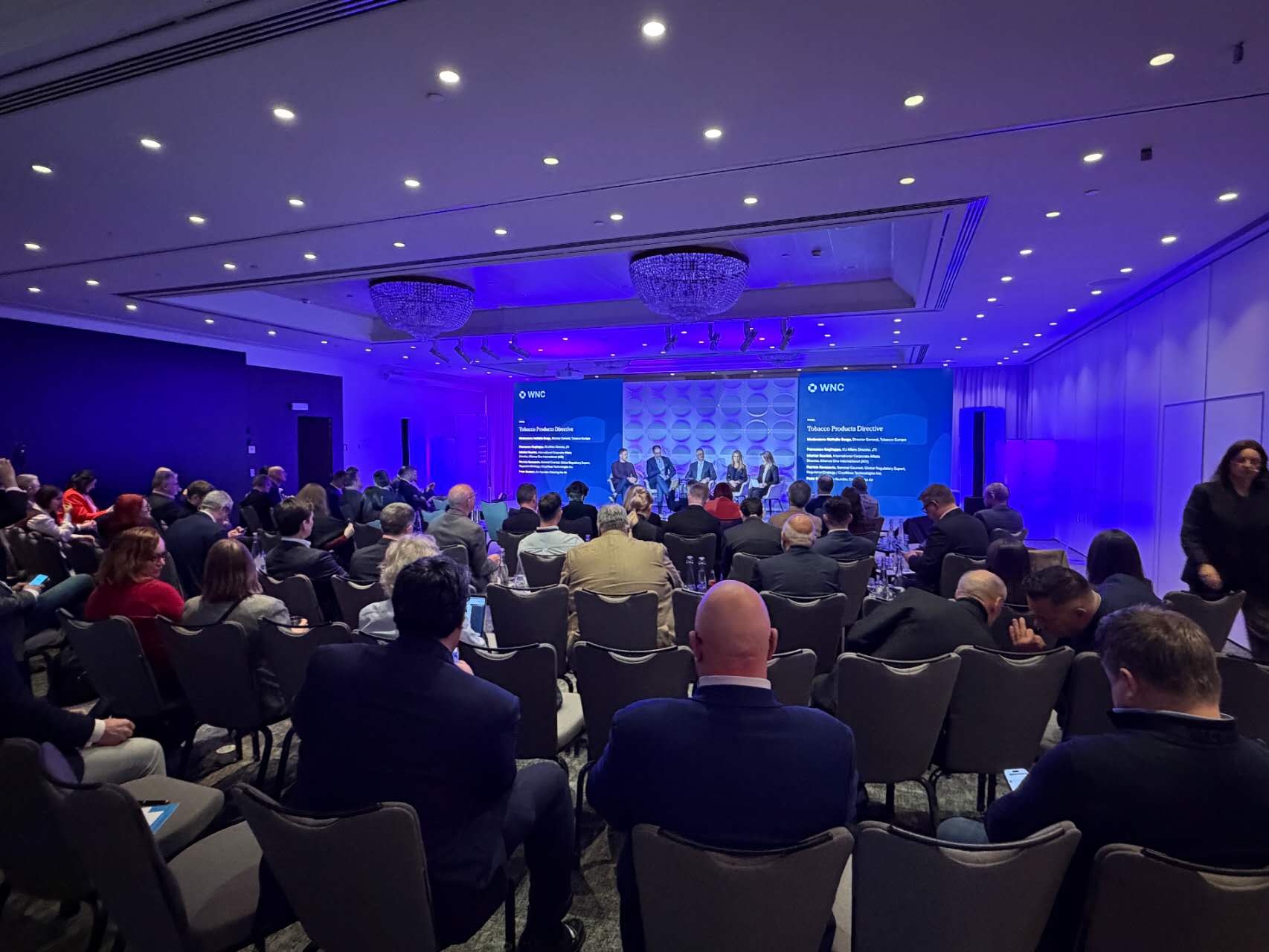
Across panels and technical sessions, delegates focused on regulatory policy, taxation, product safety and technology development, with additional sessions examining scientific evidence, compliance pathways and consumer insights.
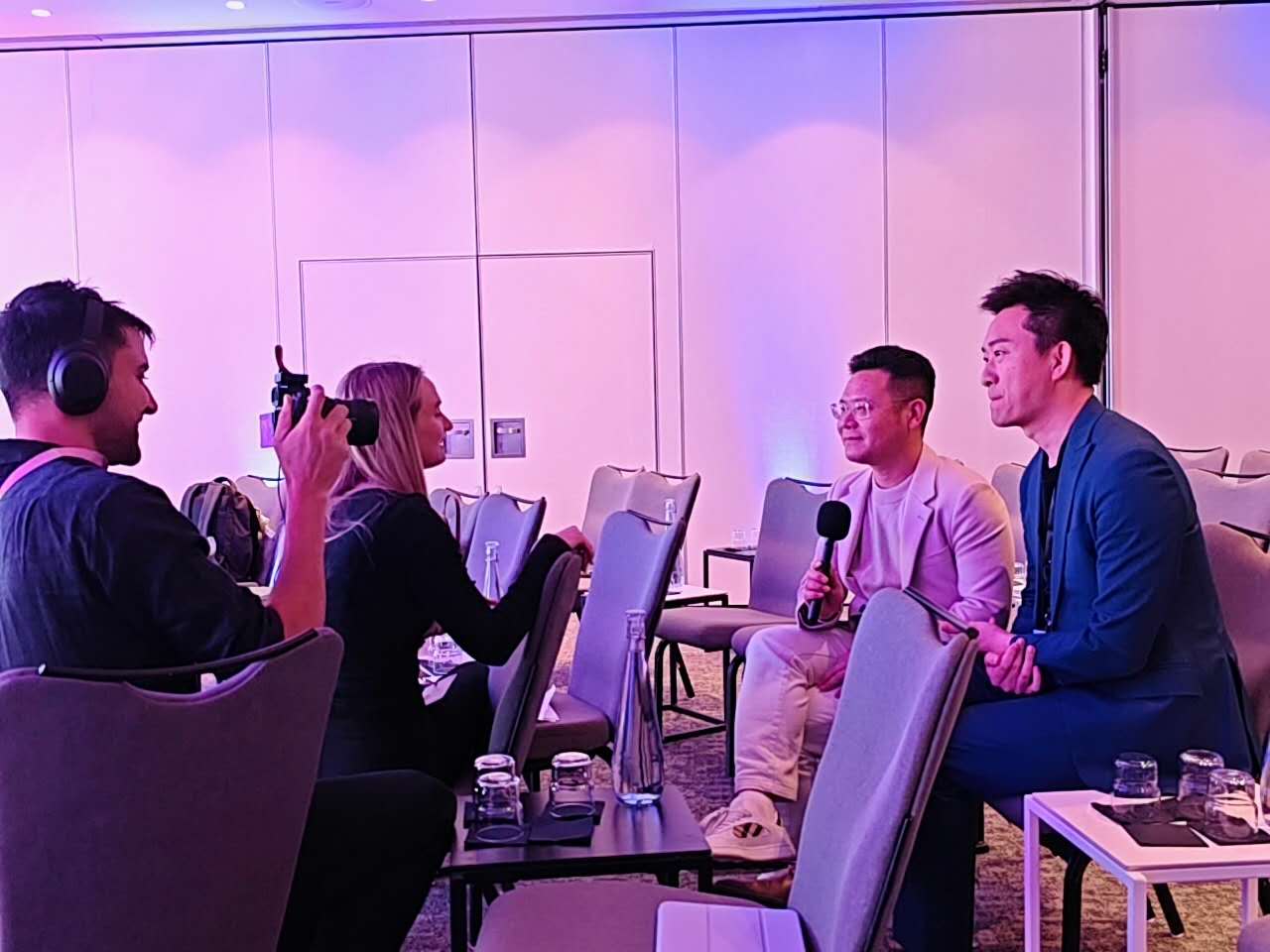
Zinwi Bio has participated in major international conferences for next-generation nicotine and tobacco for four consecutive years. This year, it sent a senior delegation led by Chairman Jeff Zou, who attended as an invited guest. Haley Xu, a spokesperson for the company, joined multiple panels and delivered a presentation, making her one of the most visible representatives from China’s supply chain at the congress.
Long-Term Priorities
As regulatory scrutiny increases worldwide, Jeff said the company will continue to strengthen its compliance capabilities while investing in innovation to support global partners.
“Zinwi Bio will continue to support our global partners, strengthen our compliance capabilities, and keep investing in innovation,” he said, adding that standardized and regulated growth has become an irreversible industry trend.
He said long-term competitiveness will increasingly favor companies that embed compliance into daily operations and translate innovation into reliable, repeatable execution. Zinwi Bio remains focused on product quality and service reliability to support stable, responsible sector growth.
From Speed to Certainty
With regulation maturing and evidentiary standards rising, the company said innovation in the nicotine sector is shifting away from “launch-first” approaches toward solutions that can be tested, validated, manufactured at scale and sustained commercially.
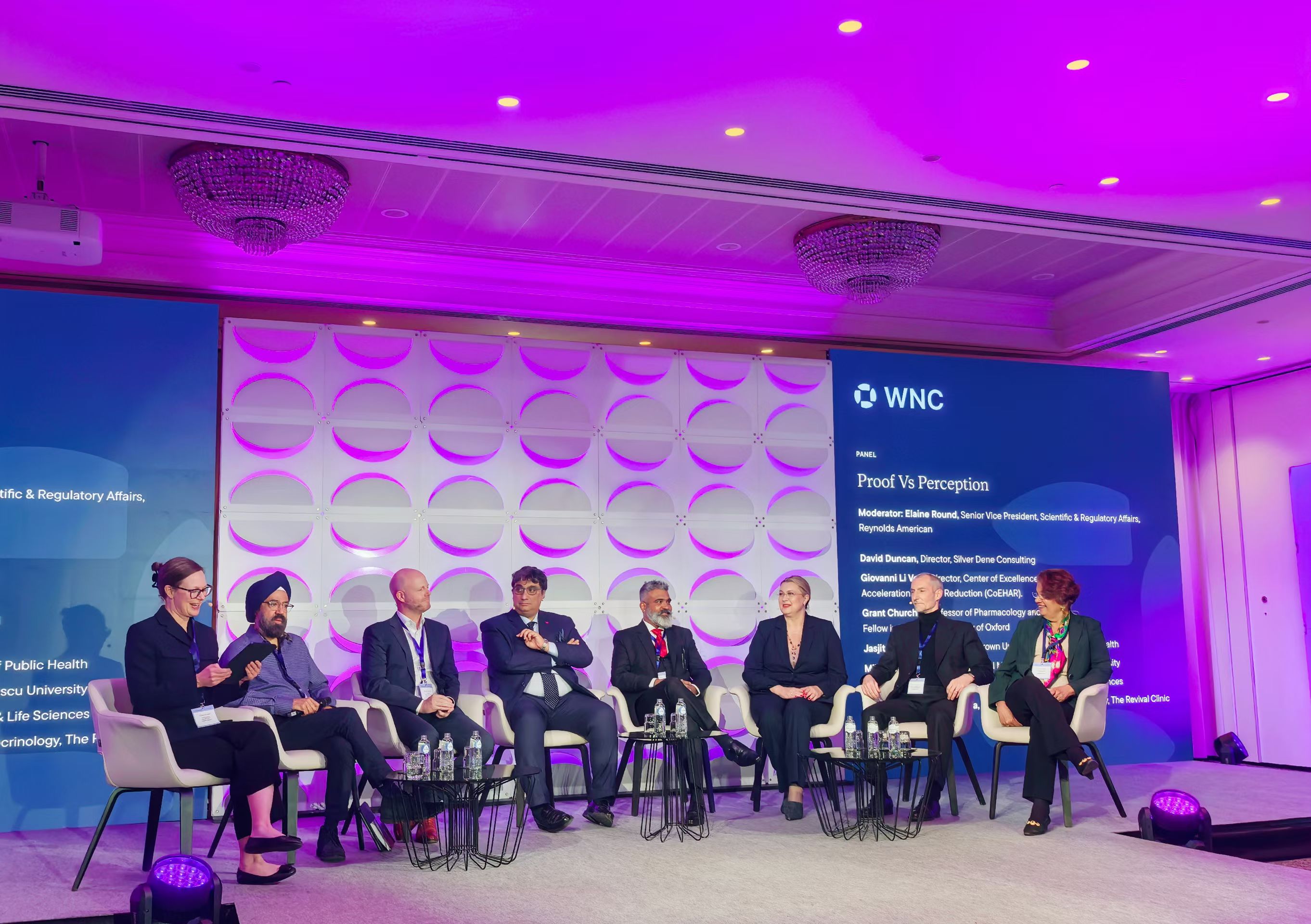
On March 24, Haley joined a roundtable discussion titled “From Signal to Shelf: How Innovation Really Happens in Nicotine Today.” She said the industry’s key challenge is reducing uncertainty earlier in development—before substantial resources are committed.

In the current environment, she said, relatively few projects reach commercial launch. Higher-probability programs, Haley said, typically align early on target-market requirements, testing plans, supply chain readiness and manufacturability—improving predictability from lab to shelf.
Compliance as a Competitive Edge
Haley pointed to continued changes in global flavor-related regulation, including China’s national standards and evolving EU rules under the Tobacco Products Directive framework, as factors reshaping R&D and commercialization strategies.
In a compliance-first market, she said, simply meeting requirements is no longer enough to stand out. Differentiation increasingly comes from compliance systems that are repeatable, scalable and able to adapt as regulations change.
Zinwi Bio said it has strengthened end-to-end compliance management, including controls based on approved and restricted materials lists, e-liquid and aerosol testing, heavy-metal migration assessments and long-term stability evaluations aimed at supporting device–liquid compatibility. Standardized workflows are intended to reduce rework, improve consistency and support on-time delivery for global partners.
Natural-Extract Flavor Technology
At WNC, Zinwi Bio highlighted its natural-extract flavor technology spanning tobacco and non-tobacco profiles. The company said advanced extraction and purification processes are designed to produce more authentic, natural-tasting profiles with richer aroma layers, smoother mouthfeel and reduced harshness.
Standardized manufacturing protocols help maintain batch-to-batch consistency, enabling brands to scale “natural sensory” experiences across markets. The approach also supports the development of proprietary flavor intellectual property while remaining aligned with regulatory expectations.
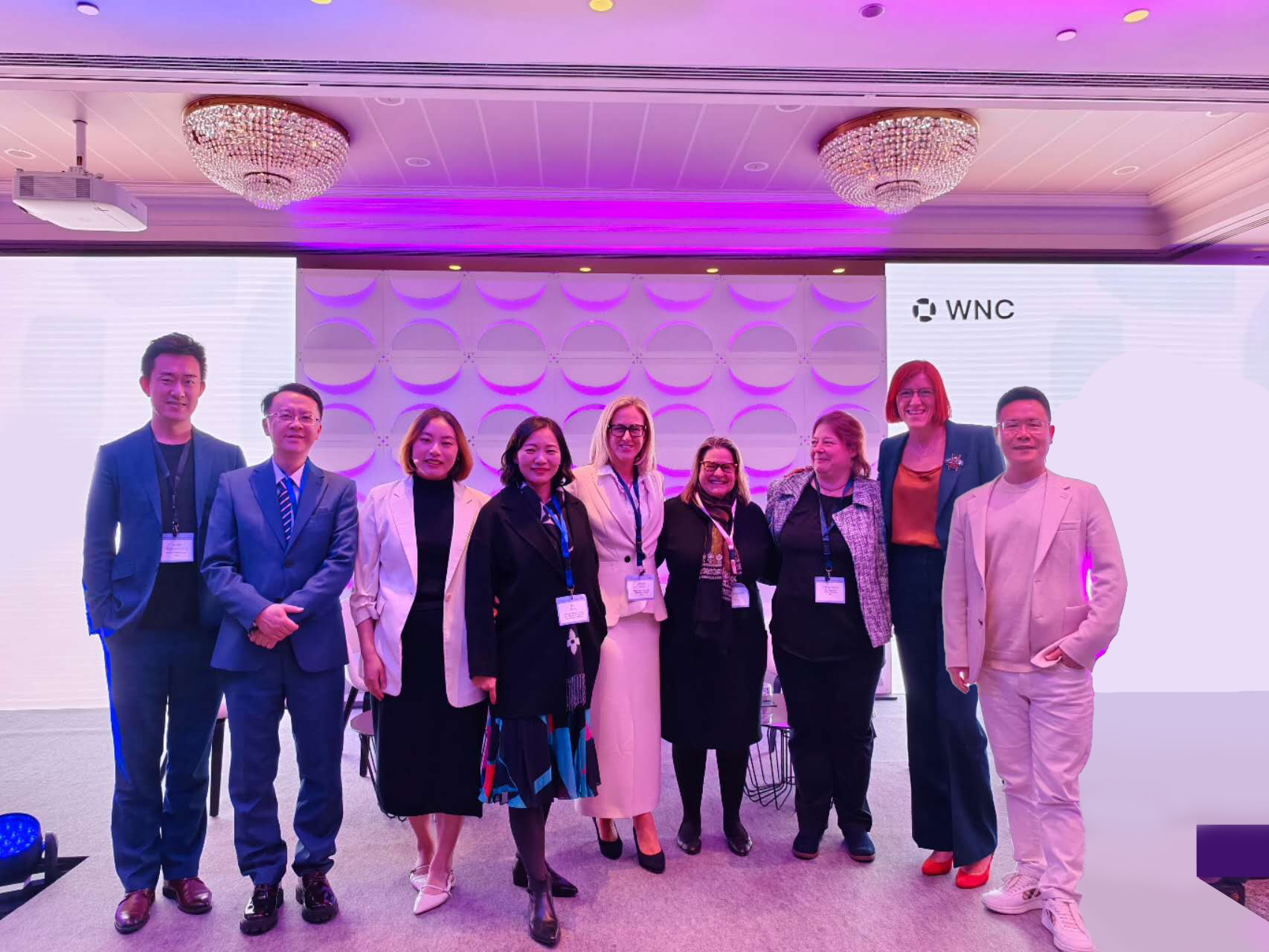
Zinwi Bio operates three global R&D hubs in China, the United States and Indonesia, and says it invests more than 10% of annual revenue in R&D. Current focus areas include natural extracts, harm-reduction technologies and integrated device–liquid compatibility solutions.
Industry Outlook
During panel discussions, Haley said some companies still treat compliance as an end point rather than a foundation, underinvesting in technical innovation, manufacturing efficiency and delivery reliability once basic requirements are achieved. She added that, as standards tighten, compliance-by-design engineering and harm-reduction technology will play a larger role in product viability. End-to-end testing and device–liquid compatibility, in her view, are shifting from optional advantages to baseline expectations.

She said these shifts offer practical guidance for brands on product planning, testing timelines and supply chain partner selection.
Global Dialogue and Engagement
Zinwi Bio held meetings throughout the congress with global tobacco clients, industry experts and international health organizations, describing in-person engagement as important for trust-building at a forum that connects policy, science and industry.
Zinwi Bio was among the Chinese supply chain companies with high visibility in core sessions, and emphasized that Chinese firms are increasingly contributing to global industry dialogue and standard-setting through deeper expertise and more integrated technical systems.
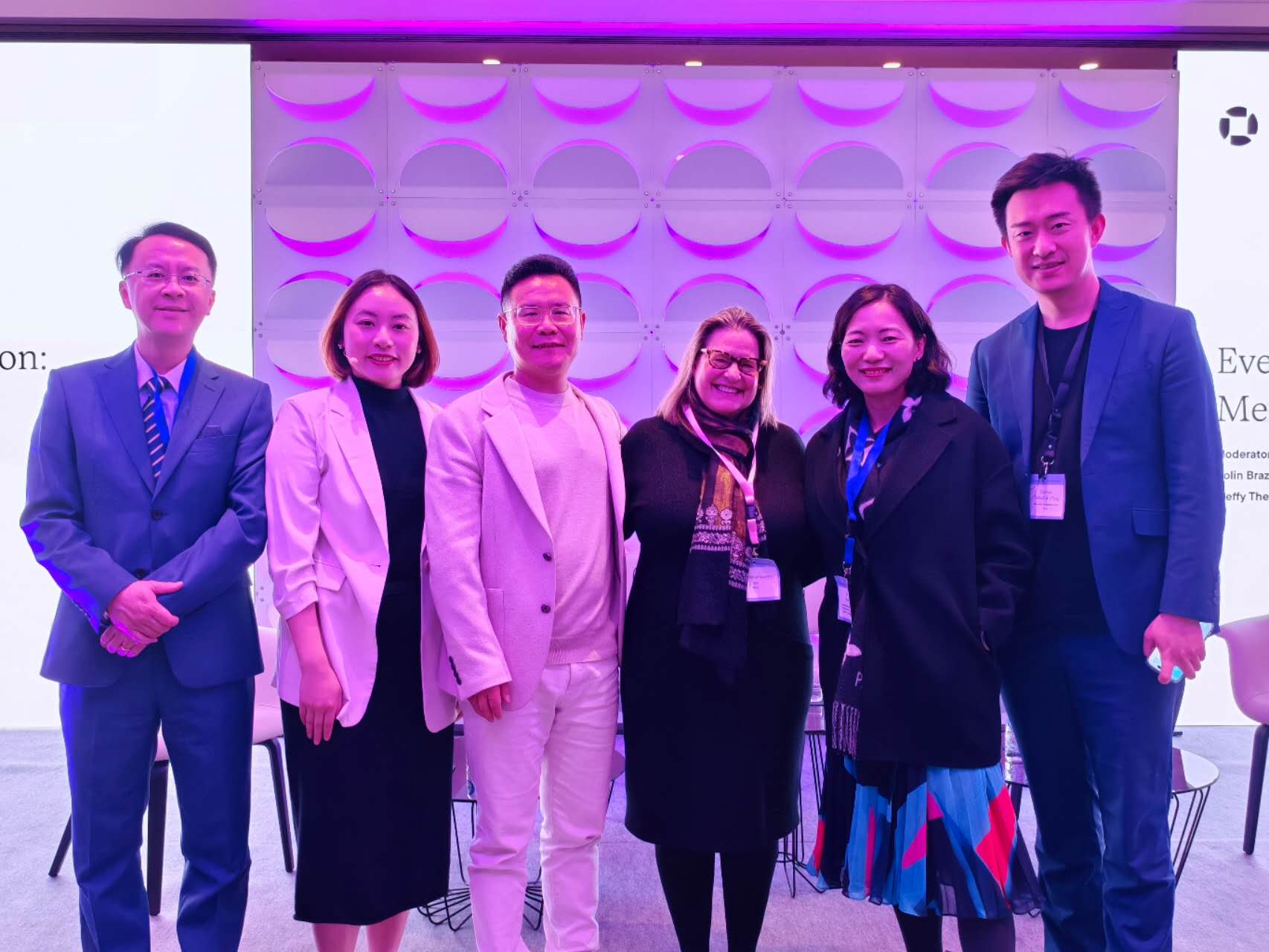
It plans to continue investing in compliance readiness and technology development, expand partnerships and deliver tailored solutions supporting regulated growth in nicotine harm-reduction products.


Latest Release
Related Reading
Zinwi New Series of E-liquid: Icy Fruit Flavor, Refreshing Companion
The Vaper Expo UK has come to an end, Zinwi will meet you in Dubai
Zinwi Biotech teams up with IECIE to unveil a heavyweight new e-liquid product at the 2019 Shanghai Vape Culture Week exhibition.
Innovation for Development, Zinwi Biotech Multidimensional Layout Touches the Future
Zinwi Biotech has obtained the GB/T 29490 certification for intellectual property management system, and is leveraging this momentum to convey brand power
Business Consulting
E-Liquid ODM/OEM Customization Requirements
Submitted successfully
We will contact you as soon as possible
We will contact you as soon as possible
